Nearby Attractions
Explore the rich history, spiritual sanctity, and architectural marvels just a short drive from Sami V Landmarks.
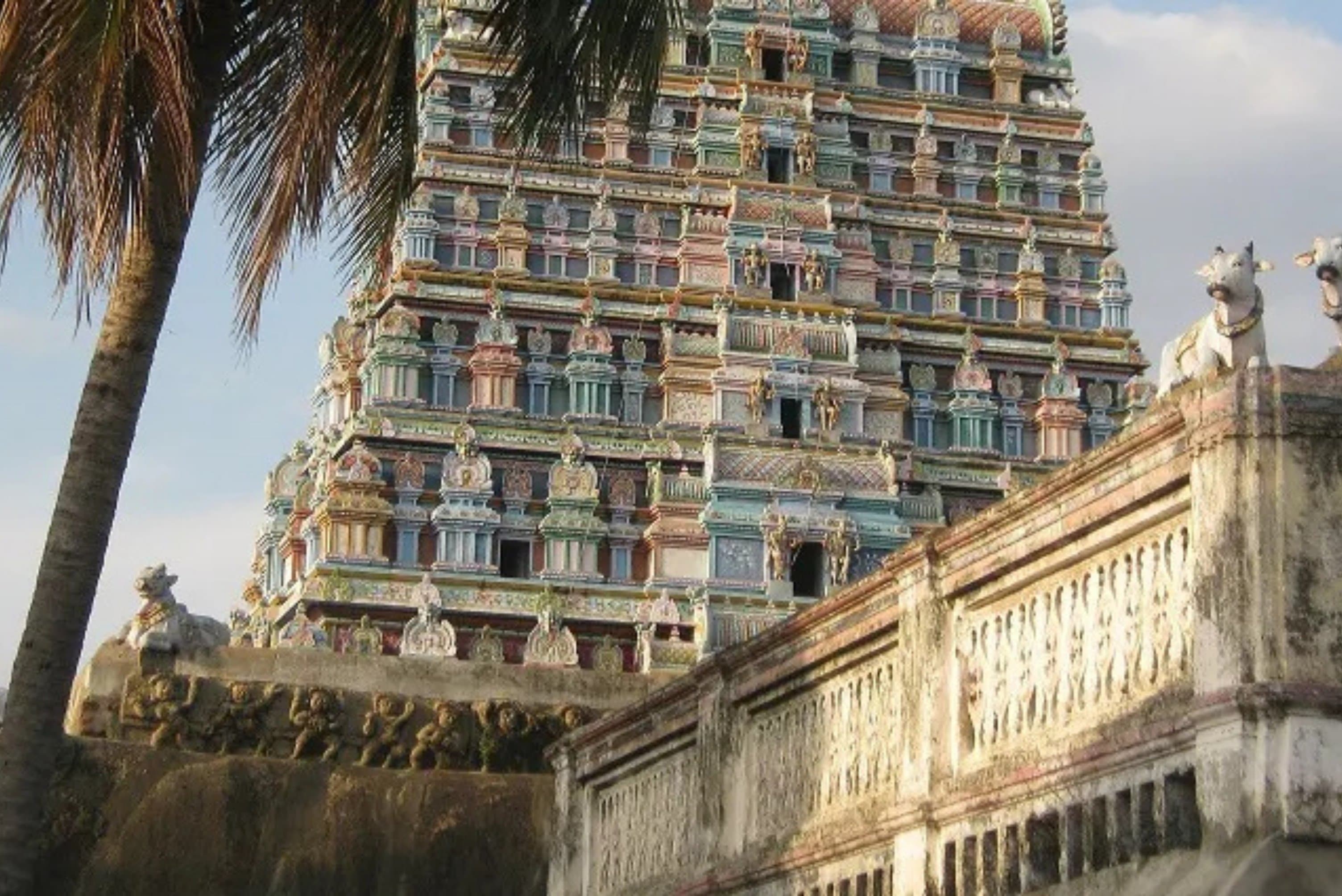
Avudaiyarkoil (Athmanatha Swamy Temple)
A uniquely serene Shiva temple where Saint Manikavasagar — one of the revered Nayanmars — is believed to have attained moksha. The temple (also called Athmanatha Samy) is celebrated for life‑size sculptures, ancient wall paintings and exceptional granite roof work covered in copper plates, reminiscent of Chidambaram’s gilded roof.
Highlights
- •Life‑size stone sculptures and majestic temple statues.
- •Distinctive copper‑plated roof and finely worked granite roofing.
- •Ancient mural paintings depicting religious themes and saintly figures.
- •Strong historical links to Saint Manikavasagar; administered by Thiruvadu Thurai Adheenam.
Early morning for quiet darshan and photography of murals.
Traditional temple attire recommended.
Basic prasad and local shops nearby; limited parking.
Pillayarpatti (Karpaga Vinayagar Temple)
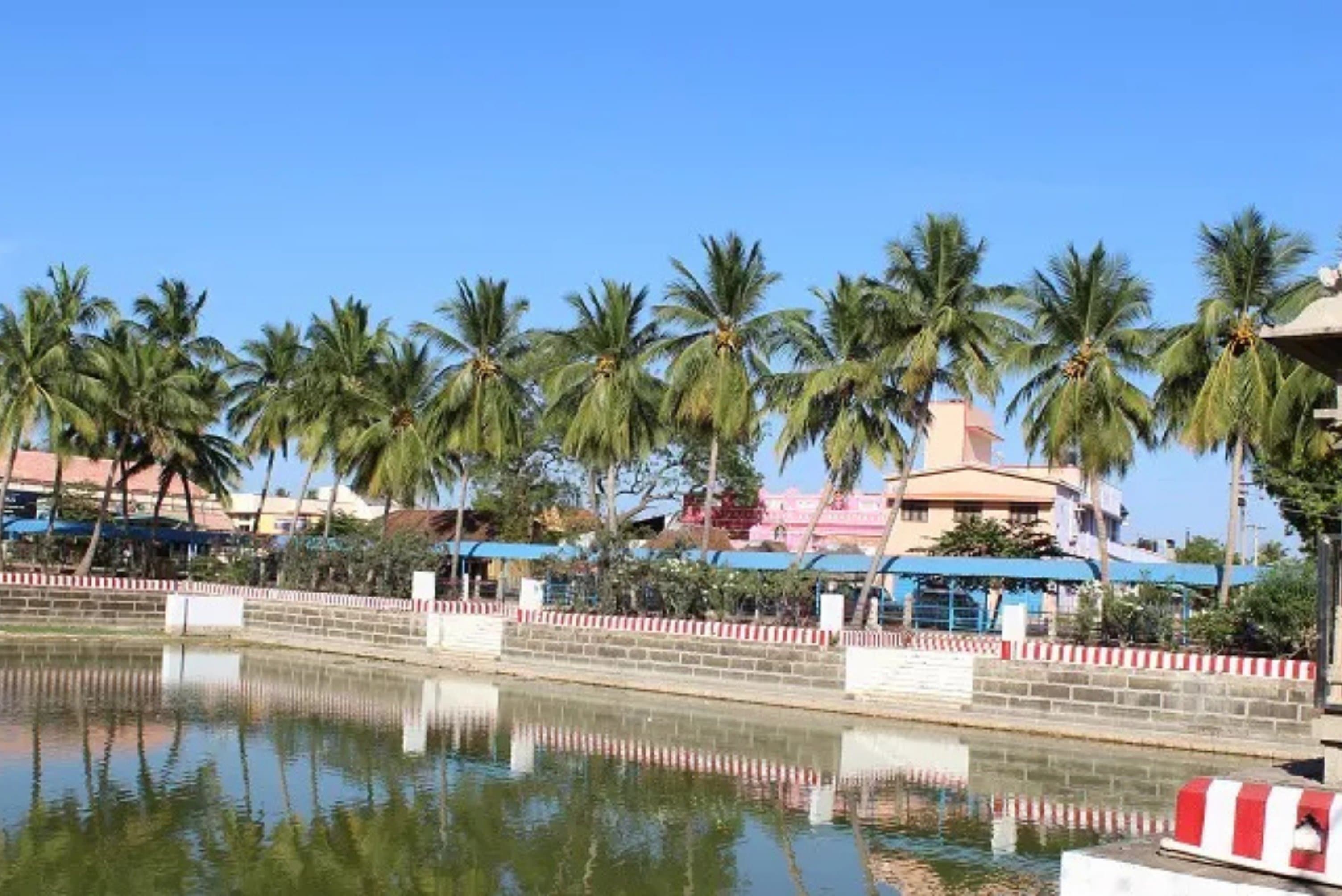
An ancient rock‑cut shrine famed for its rare iconography of Lord Ganesha (Karpaga Vinayagar) and antiquity‑indicating worship practices. The primary deity is believed to grant devotees’ wishes like the wish‑fulfilling Karpaga tree.
Highlights
- •Unique two‑armed (dwi‑hasta) Ganesha seated in Artha‑Padma asana, with distinct sculptural features.
- •Marudeeswarar shrine and a sculptural panel of a cow offering milk to Shiva — a rare motif.
- •Mythical associations: Kubera and other legends connected to the site.
Temple timings vary; mornings and evenings are most active for rituals.
The rock‑cut approach includes steps; wear comfortable footwear.
Local stalls and guides available in peak season.
Thirumayam Fort
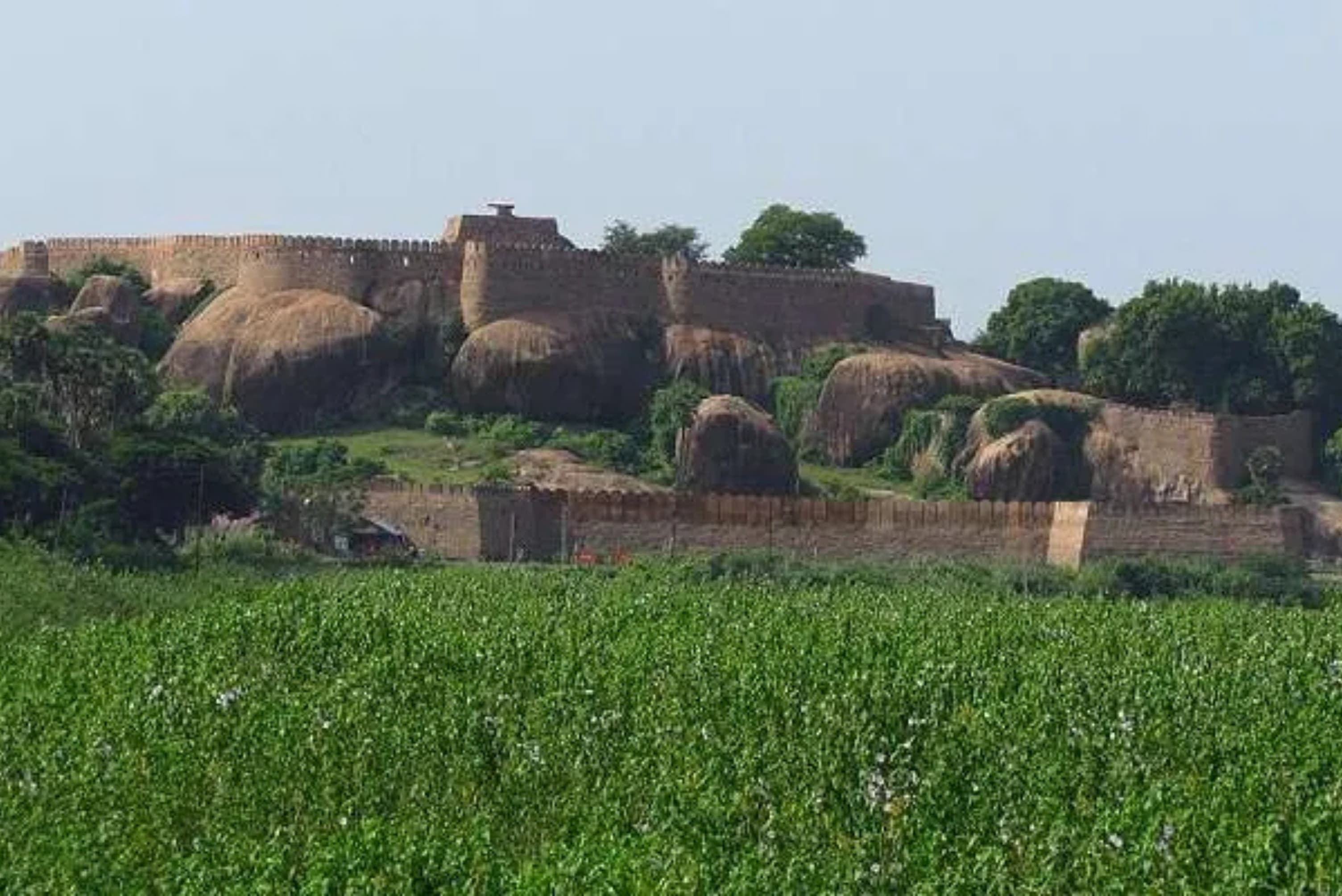
A historic hill fort constructed by Sethupathy Vijaya Raghunatha Thevar in 1687 A.D. Built as a defensive citadel, Thirumayam Fort houses rock‑cut shrines, a Darbar Hall, inscriptions and pillared corridors — remnants of a larger fort complex.
Highlights
- •Fortifications, bastions and ruins that reveal 17th‑18th century military architecture.
- •Rock‑cut Shiva temple, Vishnu shrines, and the Darbar Hall at the base of the hillock.
- •ASI‑protected site with informative inscriptions and scenic hilltop views.
Cooler months or early morning to avoid midday heat.
Basic local eateries; bring water and sun protection.
Manora (Manora Fort)
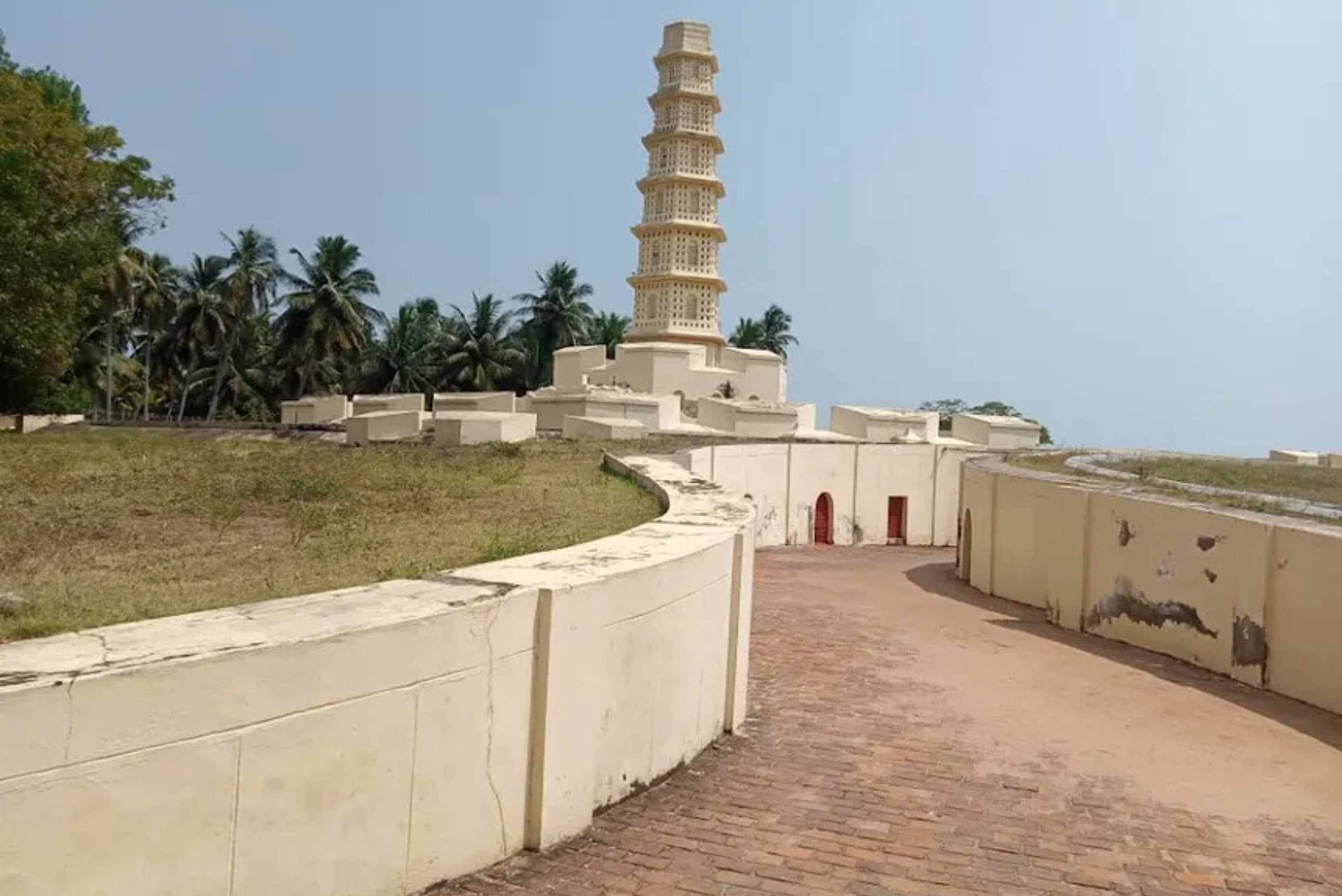
A coastal minaret‑style tower built by Maratha ruler Serfoji II in 1814–15. The eight‑storied, hexagonal monument (23 m high) overlooks the Bay of Bengal and was constructed as a commemorative victory tower.
Highlights
- •Distinctive hexagonal minaret architecture inspired by a minaret (hence the name ‘Manora’).
- •Panoramic sea views from the tower; photo opportunities at sunrise/sunset.
- •Historical significance tied to the Maratha and colonial period.
Late afternoon for sunset views.
Coastal drive; some steps to access viewpoints.
Nearby beaches, local seafood stalls and parking.
Chithannavasal (Sittannavasal)
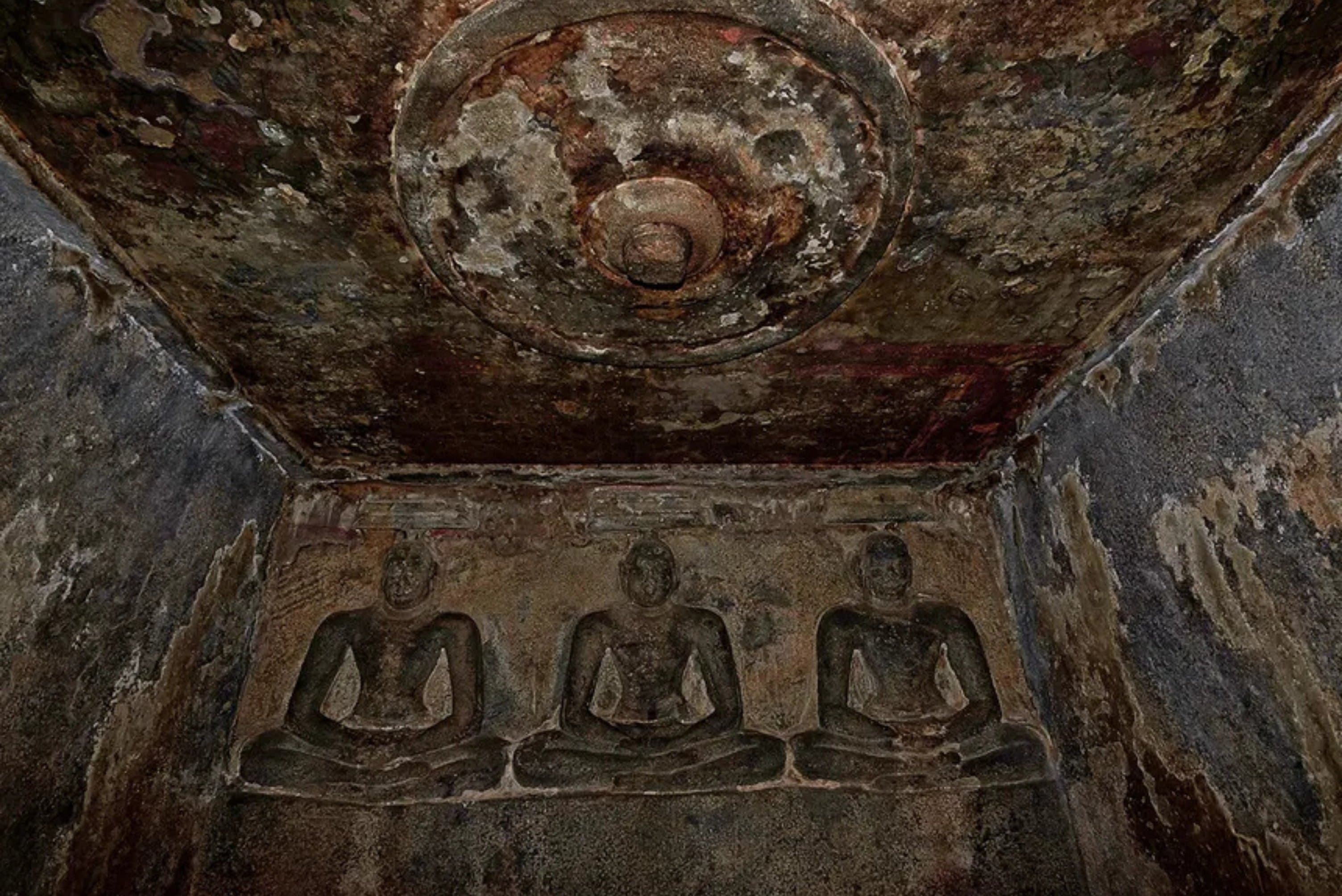
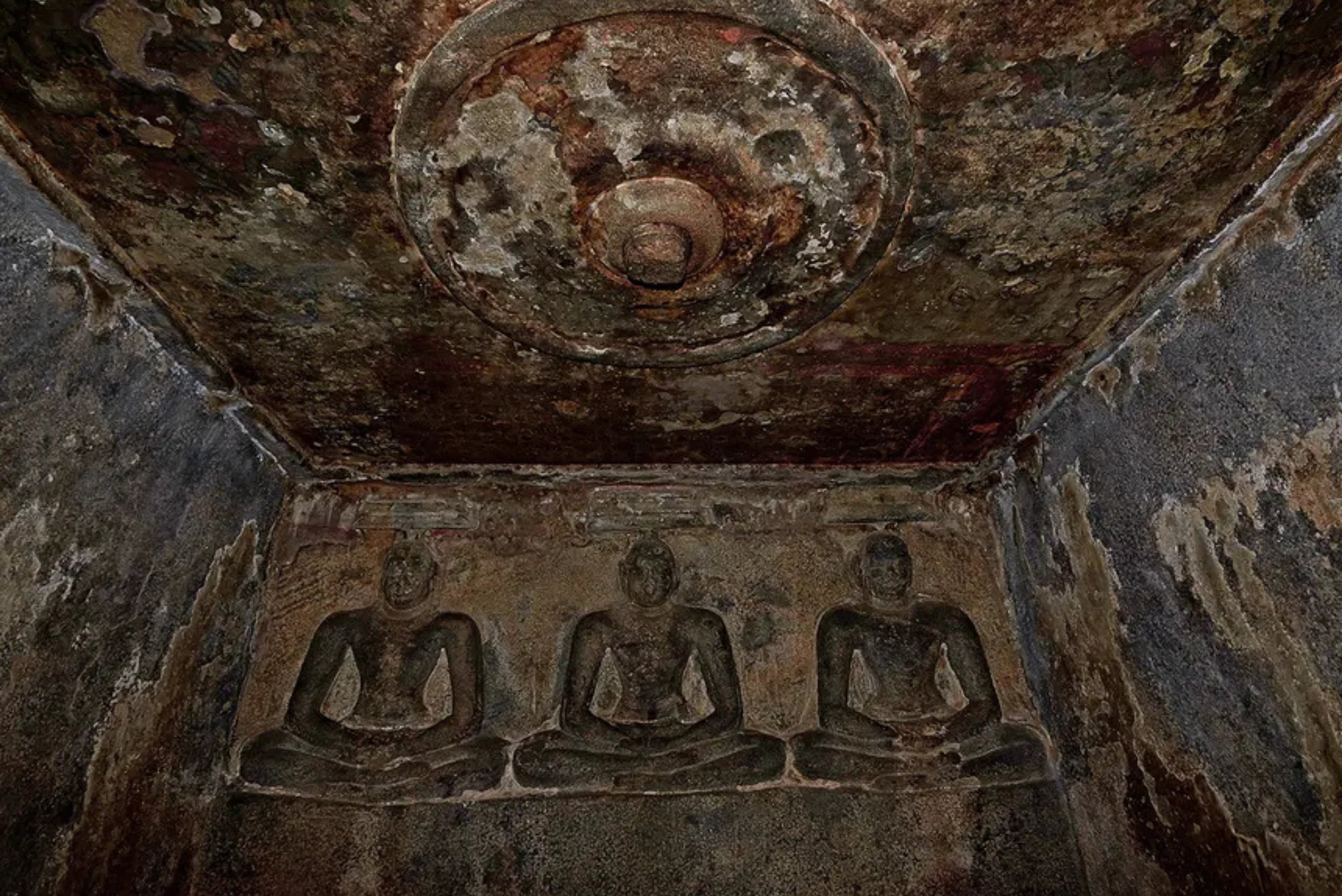
Known as the ‘Ajanta of the South’, Sittannavasal is a major Jain heritage site featuring cave temples, rare frescoes, and ancient Jain beds used by monks for meditation and ascetic practice.
Highlights
- •Fresco paintings on the Arivar (meditation) cave ceiling — lotus tanks, marine life and royal figures — dated to the Pallava/Medieval period.
- •Jain beds (Ezhadi Pattam) and Brahmi‑Tamil inscriptions near the hillock.
- •Archaeological finds including burial pots (Muthumakkal Thazhi), reflecting ancient funerary practices.
Mornings; guided ASI tours provide historical context.
Small museum/interpretive panels on site; limited roadside amenities.